
Due to the increased oil prices in the international market and the pressure on foreign exchange reserves, the federal government is considering reintroducing fuel conservation and austerity measures from this week or next as fresh Middle East tensions have erupted.
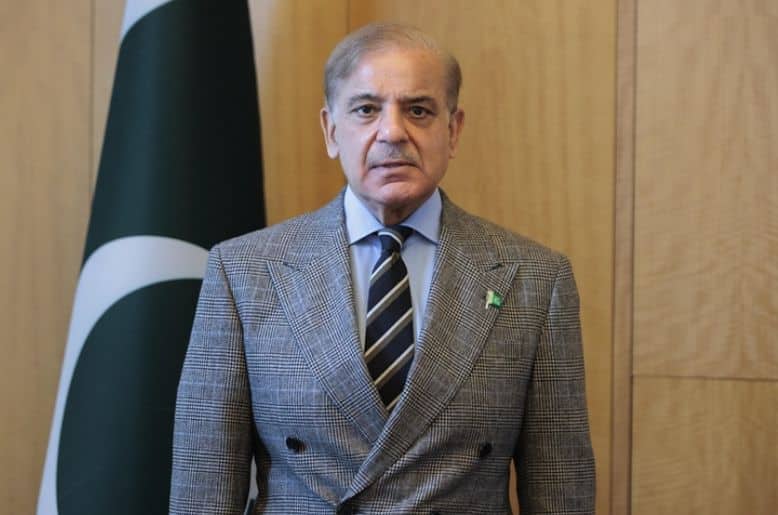
The proposed measures were presented to the cabinet of the Prime Minister Shehbaz Sharif for approval.
The immediate goal of the government is to sustain foreign exchange reserves to import three months’ worth of goods at least.
The proposed measures involve reducing the 5-day working week, reducing the number of staff working in government offices by 50 per cent, a greater use of virtual meetings, a reduction in official foreign travel and limits on non-essential government spending.
Speed limits on the roadways and other fuel-saving measures are also under review.
The bans were initially put in place in March following oil market disruptions caused by tensions in the Strait of Hormuz, but were lifted in June when conditions in the region improved.
The government has also clarified that the recently launched daily petroleum pricing policy does not constitute fuel price deregulation.
Read more: Punjab govt moves to reduce transport fares after petroleum price cut
The new policy will have the prices of petrol and high speed diesel updated only during a working day, and the price on Fridays will be valid through the weekend and Monday.
Oil and Gas Regulatory Authority (OGRA) will continue to do the calculations of the fuel prices every day and each day they will forward the recommendations to the Petroleum Division and publish detailed pricing calculations on its website to enhance transparency, officials said.
The government will continue to control a number of important pricing factors, such as the petroleum levy, customs duties, dealer margins and freight equalisation, even though prices are changed more often.
The officials emphasised that Pakistan has not moved towards a fully deregulated petroleum market.
In addition to these short-term solutions, the government is also considering long-term reforms like increasing oil storage facilities.
But the top priority is to protect foreign currency reserves, which had dropped to about $22.67 billion by July 10 from the near $24-billion that they had at the beginning of the month, officials said.
Also read: Govt decides to end austerity measures, introduces changes to business hours
