
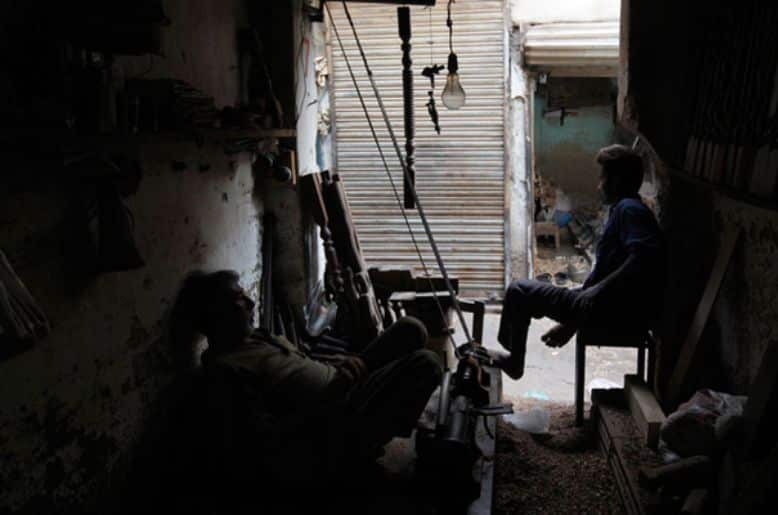
The government has decided to carry out electricity load shedding during peak hours due to a surge in demand.
The Power Division has issued a load-shedding schedule. According to its statement, the decision has been taken in response to increased electricity demand, with power outages during peak hours expected to exceed two hours.
The Power Division stated that electricity consumption rises significantly during peak hours. It also noted that power generation from hydropower plants has dropped considerably in recent days, contributing to the shortfall and despite this, the price of electricity will be increased by Rs1.50.
PM says electricity prices should not be increased
It was reported that the Prime Minister Shehbaz Sharif has instructed the official not to put the burden on the electricity consumers, and the electricity prices should not be increased.
Karachi gas crisis: Consumers struggle despite paying high bills
On the other hand, the residents are facing severe hardship as gas crises have worsened in Karachi despite paying high bills.
According to reports, the gas crisis in Karachi the country’s largest industrial and economic hub has reached an alarming level. Suspension of gas supply in many parts of the city has made daily life extremely difficult for citizens.
People living in affected areas say that even after paying high gas bills, they are unable to use gas at home, causing serious problems, especially for women trying to cook meals.
Middle and working class families are now forced to either buy expensive food from hotels or purchase costly gas cylinders from the black market, putting additional strain on their already tight budgets.
Leaders of Muttahida Qaumi Movement (MQM) have strongly criticised the increasing gas and electricity load-shedding in Karachi, blaming the federal government for the worsening situation.
Party leaders allege that the city, which contributes the highest revenue to the country, is being treated unfairly. They described the situation as “anti-Karachi” and demanded immediate intervention by the federal government and relevant authorities to resolve the crisis.
Public circles say that rising inflation, combined with the lack of basic utilities, has pushed citizens to the brink, with many now being forced to protest on the streets.
Also read: Karachi gas crisis: Consumers struggle despite paying high bills
