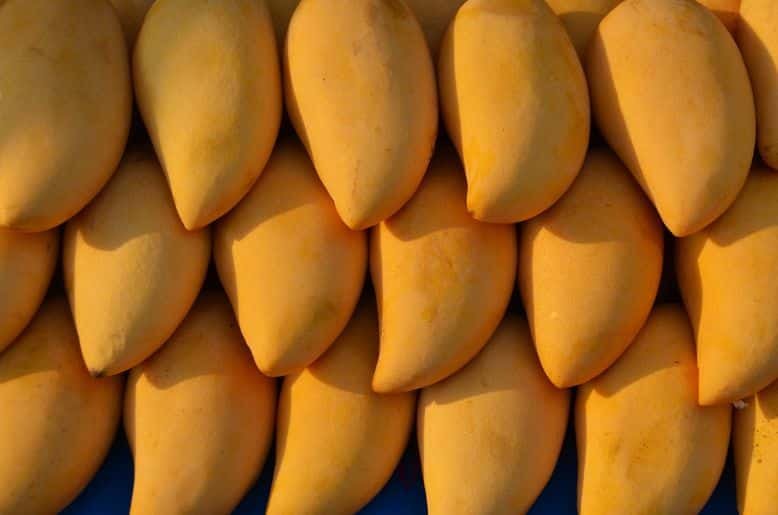
Due to high levels of chemical pesticides found in imported mangoes to Nepal, the government has banned the import of Indian mangoes.
The decision by the Ministry of Agriculture and Livestock Development of the Central Government in Kathmandu has caused debates among farmers, traders and consumers during the months of April and May.
The government of Nepal has said that the new rule will be useful to the local fruit growers and help strengthen food safety.
The move will boost the production of mangoes locally, while it also means that consumers will have access to healthier, safer mangoes, Manish Kumar Pal, the Ministry of Land Management, Agriculture and Cooperatives of Madhes Province’s spokesperson, said.
The ban will be an opportunity for local farmers to increase their market share and decrease the reliance on imported fruit, officials said.
But mango traders have voiced concern about the possible implications of the ban.
Nepal produces and exports mangoes but domestic production is not adequate to meet the year round demand.
The local mango season is just about to come to an end and it is expected to be around two months long, which may lead to concerns of scarcity and price increases in the upcoming months.
Traders believe the ban should not be lifted but should be accompanied by greater quarantine and inspection measures to guarantee that imported fruit is safe.
The new development follows Japan banning several varieties of mangoes such as Kesar, Alphonso, Langra and Banganapalli.
The Japanese ban came after the country found fumigation and disinfection facilities in Uttar Pradesh lacking.
Consequently, the Japanese government stopped accepting shipments carrying inspection certificates since March 25.
While Nepal is not a major importer of mangoes, the two countries’ consecutive bans have stirred worry over issues of quality control and pesticide use in Indian fruit industry.
Also read: Japan suspends imports of Indian mangoes