
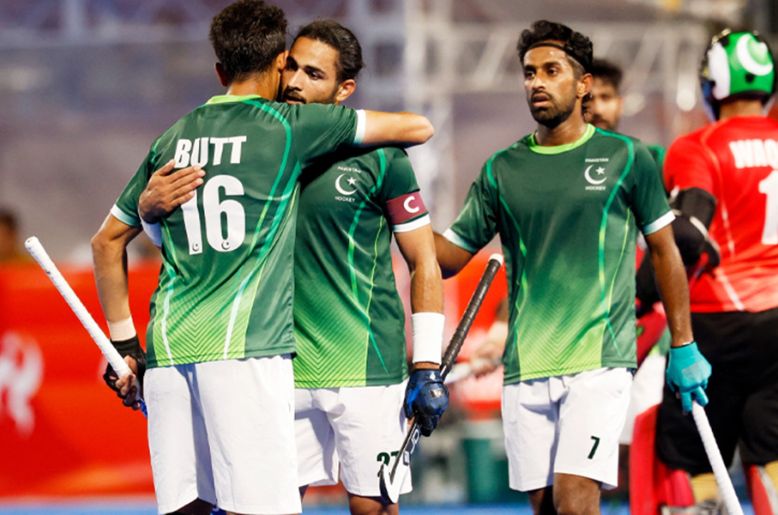
Pakistan is preparing to launch a franchise-based hockey league modelled on the country’s cricket league, with the aim of strengthening the national sport financially, creating sustainable earning opportunities for players and promoting young talent.
The Pakistan Hockey Federation (PHF) has set a target to hold the inaugural edition of the proposed league in Lahore during the first quarter of 2027, with six to eight franchises expected to participate.
The initiative is being developed under the leadership of PHF ad hoc president Mohyuddin Wani, with a proposed major role for private-sector investors and business organisations. Private partners are expected to contribute to the organisation of the competition, formation of teams and provision of financial resources.
National hockey team player Abdul Hanan Shahid described the proposed league as a much-needed initiative for Pakistan hockey. He noted that Pakistani players compete for leading clubs in various countries and are recognised for their abilities at the international level.
According to Shahid, bringing the same standard of hockey to domestic grounds would allow Pakistani fans, particularly young people, to watch national players in action and develop a stronger connection with the sport.
Pakistan hockey team coach Bob Veldhof also highlighted the importance of regular domestic competition. He said the league could give emerging players opportunities to compete alongside experienced international players and learn from their expertise.
The possible participation of foreign players could further expose local athletes to different playing styles and help them improve their technical abilities.
League expected to address players’ financial challenges
Financial insecurity remains a major challenge for hockey players in Pakistan. Although national players receive daily allowances during training camps and tournaments, a comprehensive system of fixed salaries and central contracts to provide long-term financial security is generally lacking.
Compared with countries such as Australia, India and New Zealand, opportunities for stable earnings in Pakistan’s hockey sector remain limited. Some players rely on overseas leagues or departmental employment to support themselves, but these opportunities are not available to everyone.
The proposed league could help address these challenges by providing players with regular income opportunities. Transparent franchise contracts, fair compensation and timely payments would be essential to making hockey a sustainable career, particularly for young athletes.
Safeguarding players’ financial rights would also be crucial to the league’s success. Clear mechanisms would need to be established to protect payments if franchises encounter financial difficulties.
Previous Hockey League attempt offers lessons
Pakistan has previously attempted to introduce a domestic hockey league. The Max Hockey League, announced around four years ago, was halted before it could be implemented. The experience highlights the challenges of turning a league announcement into a sustainable sporting competition.
Mohyuddin Wani, who also serves as federal secretary at the Ministry of Inter-Provincial Coordination, has stressed the importance of attracting private investment into hockey. He has maintained that the government cannot provide unlimited financial support to every sports federation, making private-sector participation essential.
While government backing could provide institutional support, the proposed league’s long-term viability would depend on securing reliable investors, establishing professional management, developing commercially sustainable franchises and implementing a sound business plan.
If successfully launched and managed, the league could provide a new platform for Pakistan’s hockey players, improve their financial prospects and help revive public interest in the country’s national sport.
