
The global smartphone industry had a difficult start to 2026, with manufacturers producing fewer devices as higher component costs continued to squeeze the market.
According to a new industry report by TrendForce, worldwide smartphone production fell 1.7 percent in the first quarter of 2026 compared with the same period last year. The decline was largely linked to a sharp rise in memory chip prices during the second half of 2025, which pushed up manufacturing costs and left many brands with little choice but to increase prices.
For consumers, the trend raises concerns that affordable smartphones could become harder to find in the months ahead, particularly as brands attempt to protect their profit margins.
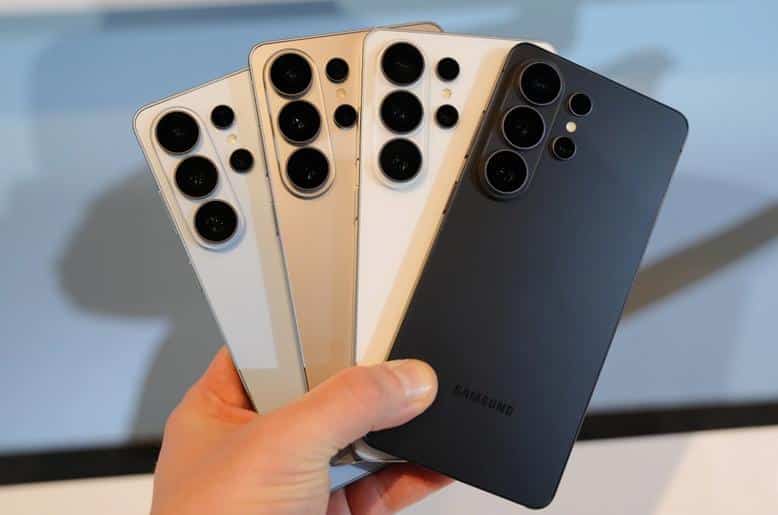
Despite the tougher environment, Samsung held on to its position as the world’s largest smartphone producer during the January to March period. The South Korean company produced nearly 62.6 million devices in the first quarter, marking a 2.3 percent increase from a year earlier.
The growth was also helped by preparations for the launch of Samsung’s Galaxy S26 series, with the company building up inventories ahead of the release.
Apple ranked second, producing an estimated 60.2 million iPhones during the quarter. The launch of the iPhone 17e contributed to a notable increase in output compared with the previous three months.
The broader picture, however, remains challenging for the smartphone industry. TrendForce expects total smartphone production to reach around 1.051 billion units in 2026, a significant drop from the previous year. The research firm warned that the outlook could worsen if component prices continue to climb.
Analysts suggest that larger manufacturers with diversified businesses may be better equipped to absorb rising costs. Companies that rely heavily on budget smartphones could face greater pressure, as lower-priced models typically account for a substantial share of overall sales volumes.
For buyers, the changing market conditions may mean fewer discounts and a slower pace of price cuts, especially in the entry-level segment where competition has traditionally kept devices affordable.
While premium smartphone makers may have more room to manage higher costs, the months ahead could test how much consumers are willing to pay for their next upgrade.
Read next: Samsung Pakistan announces major price cut on Galaxy S26 Ultra
