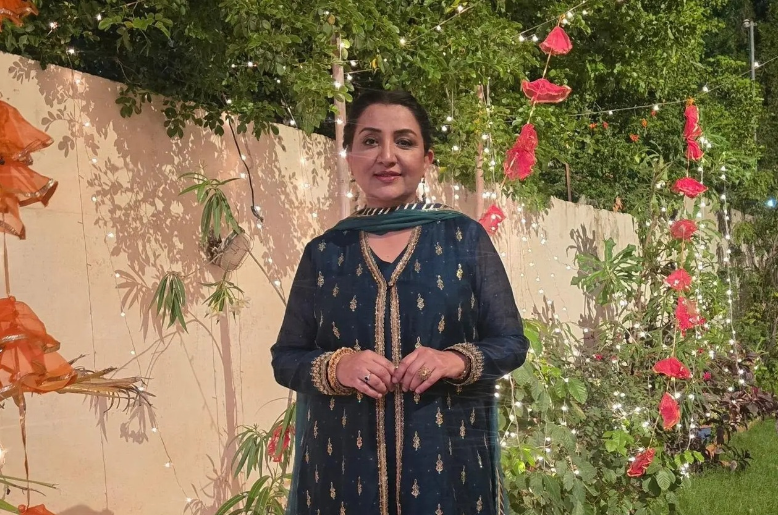
Pakistani actress Nadia Afgan has responded to viewers who find some characters in Dar-e-Nijaat too good to be realistic. She believes kind and caring people exist in real life. She also shared how her own family experience helped her understand these characters. The discussion began after viewers questioned the behaviour of Abu Bakar and his mother, Khushbakht. Both characters show patience, kindness, and understanding towards Zaryab. Some viewers feel their behaviour seems unusual compared with real-life relationships.
Nadia Afgan shares how her in-laws proved good humans exist
Nadia Afgan shared her thoughts through an Instagram story. She explained that people like Abu Bakar and his mother do exist outside television dramas. She also connected the characters’ behaviour with her own marriage. Nadia said she experienced similar kindness after marrying her husband, Jodi. According to the actress, her husband and his family remain among the kindest people she knows. She also shared her love for her mother-in-law, whom she considers like her own mother. Nadia explained that she initially found their behaviour surprising. She recalled asking her husband whether his family was really that good.
She also wondered why they rarely fought among themselves. Her experience helped her understand why Zaryab might feel surprised by such treatment. Nadia said she could relate to the character’s feelings because she had faced similar questions herself. Her statement, ‘Good humans do exist’: Nadia Afgan says Abu Bakar and his mother aren’t as unreal as people say, highlights her belief that kindness remains possible in everyday life.
Why viewers question Abu Bakar and Khushbakht
In Dar-e-Nijaat, Sheheryar Munawar plays Abu Bakar, while Sania Saeed portrays his mother, Khushbakht. Both characters treat Zaryab, played by Durefishan Saleem, with considerable patience and care. Zaryab continues to struggle with her past, even after marrying Abu Bakar. His understanding nature and his mother’s supportive attitude have attracted attention from viewers.
Some audience members believe the characters are almost too perfect. They have described them as unrealistic because people rarely see such behaviour portrayed consistently in their daily lives. However, Nadia’s response offers another perspective. She suggests that real people can show the same kindness and understanding seen in the drama.
Umera Ahmed questions viewers’ reactions
The show’s writer, Umera Ahmed, also questioned why viewers found these characters difficult to believe. Ahmed noted that some people had described her characters as being from another world. Others suggested they seemed artificially created rather than based on real people. The writer raised concerns about how society views basic human values. She questioned why kindness, empathy, forgiveness, and acceptance of others’ flaws appear less believable to audiences. Her comments encouraged viewers to think about their expectations of relationships. They also raised questions about whether repeated negative experiences have changed how people recognise goodness.
What this discussion means for Dar-e-Nijaat
The discussion around Dar-e-Nijaat goes beyond the personalities of its fictional characters. It also reflects different expectations about marriage, family relationships, and emotional support. Nadia Afgan’s comments show that personal experiences can shape how people understand kindness. Her relationship with her in-laws has given her a real-life example of the behaviour viewers question. Ultimately, ‘Good humans do exist’: Nadia Afgan says Abu Bakar and his mother aren’t as unreal as people say sends a positive message about human relationships. The conversation highlights the importance of kindness, patience, and empathy in everyday life.
The reactions also show how television dramas can encourage wider conversations about family values and social behaviour.