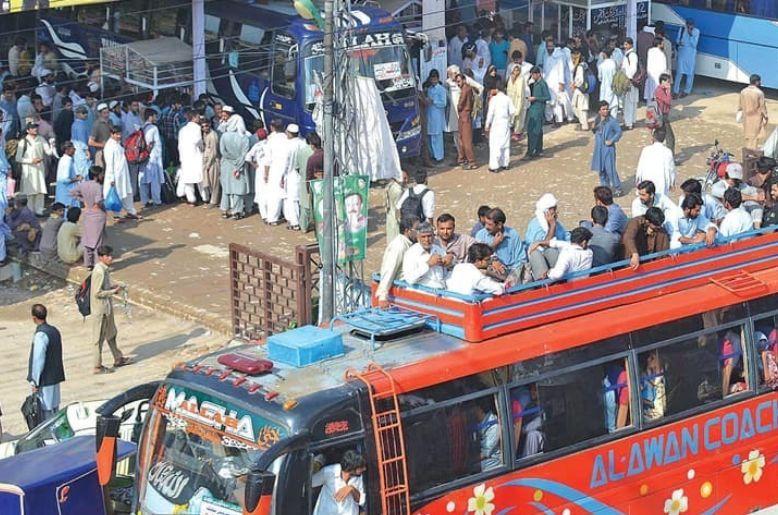
Transport fares in Pakistan are set to rise after the Pakistan Goods Transport Alliance announced a 15 per cent increase in goods transport fares, citing the recent hike in petroleum prices and mounting operational expenses.
Speaking in Karachi, Pakistan Goods Transport Alliance President Malik Shehzad Awan urged the government to immediately withdraw toll tax and withholding tax, saying transporters have been left without any relief despite rising fuel costs.
He also demanded the abolition of toll taxes, withholding taxes and traffic fines, arguing that current government policies have placed an unsustainable financial burden on the transport sector.
According to Awan, many transport operators have been forced to park their vehicles because they can no longer afford to continue operations under the existing cost structure.
Strongly condemning the latest increase in petroleum prices, he stressed that the transport industry urgently requires government support to prevent further disruption and rising logistics costs.
Earlier, the federal government had increased petrol prices by Rs 5.44 and high-speed diesel prices by Rs 31.5.
After the recent increase, the new petrol price is Rs 316.15. The new price of diesel is Rs 354.35.
Federal Petroleum Minister Ali Pervaiz Malik said the government has decided to introduce a more transparent petroleum pricing system, under which the Oil and Gas Regulatory Authority (OGRA) will determine petroleum prices on a daily basis and publish them on its website.
Speaking at a press conference alongside Federal Minister for Information Attaullah Tarar, Malik said the government would protect the interests of all stakeholders while ensuring transparency. He added that any increase or decrease in fuel prices would be passed on to consumers without delay.
Malik said international diesel prices have climbed to around $140 per barrel, while petrol prices have risen from $89 to $100 per barrel. He said the government had used domestic resources to support the public but acknowledged that the latest decision would be difficult. “It may be painful, but it is in the state’s interest,” he said.
He added that whenever international oil prices declined, the government also reduced domestic petroleum prices. He said the petroleum levy on petrol and diesel remains relatively low.
It is worth noting that OMCs and petrol pump owners reacted after the government proposed introducing daily pricing for petroleum products.
Also read: ‘OGRA to decide petroleum product prices daily’: Petroleum minister
