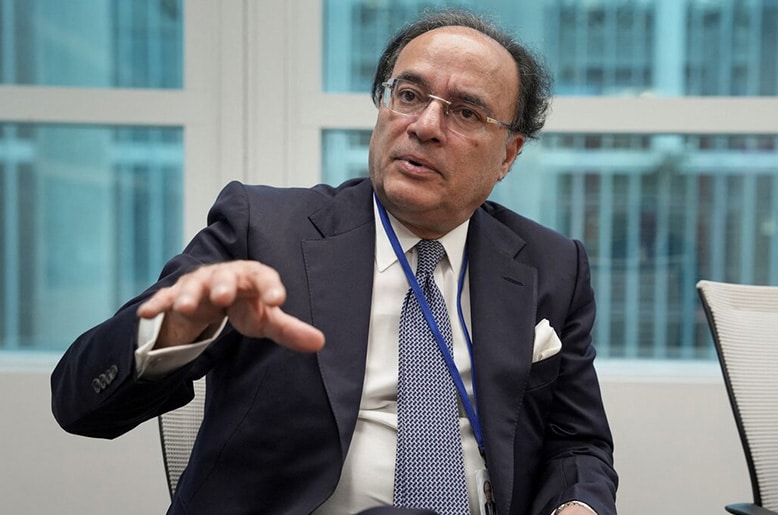
Pakistan expects its economy to grow by more than 4% this fiscal year despite high oil prices and growing uncertainty over the Middle East conflict, Finance Minister Muhammad Aurangzeb has said.
The government also plans to privatise five to six state-owned entities during the year, a move that could bring in more than $1 billion and ease pressure on public finances.
In an interview with Reuters on Monday, Aurangzeb said Pakistan had secured sufficient fuel supplies and that key sectors, including agriculture, were holding up despite external pressures.
“So I’m still quite clear that we should clock north of 4%,” he said on the sidelines of the annual meetings of the International Monetary Fund (IMF) and World Bank in Bangkok.
However, he said the government was watching inflation closely, as rising oil prices could push up the cost of other goods and commodities.
Pakistan remains exposed to a prolonged Middle East conflict because it relies heavily on energy imports from the Gulf, remittances from overseas workers and financial support from the region. The country also needs external financing to maintain its foreign exchange reserves and meet debt obligations.
IMF support underpins recovery
Pakistan has regained some economic stability after years of severe financial pressure, with support from a $7 billion IMF loan programme approved in 2024.
The 37-month Extended Fund Facility requires the government to implement difficult reforms, including measures to increase tax revenue from agricultural income.
Last week, Pakistan reached a staff-level agreement with the IMF that could unlock about $1.21 billion in financing under the existing programme and a separate climate-related facility.
Aurangzeb also confirmed that discussions with the United States were continuing over a proposed $10 billion exchange stabilisation facility. He did not give a timeline for the negotiations.
“If it comes through, this will be a great help for us,” he said.
The proposed arrangement would come alongside ongoing talks with the US Export-Import Bank and the US International Development Finance Corporation.
However, Aurangzeb said Pakistan would not face problems accessing financial markets if the proposed facility failed to materialise.
Govt eyes $1 billion from privatisation
Privatisation remains another major part of the government’s economic reform agenda.
Following the sale of Pakistan International Airlines last year, the government has around a dozen more entities in the pipeline, including state-owned power distribution companies and plans to outsource airport operations.
Aurangzeb expects five or six of these transactions to be completed during the current fiscal year, potentially generating more than $1 billion.
The push is also important for Pakistan’s credibility with the IMF. Continued losses at state-owned enterprises have weighed on public finances, making their reform or sale a key policy priority.
“We are quite clear that we want the private sector to lead the country,” Aurangzeb said, adding that the government’s role was to support businesses and create an environment in which they could grow.
Despite the improved outlook, higher oil prices remain a risk for Pakistan, where rising import costs can put pressure on inflation, the current account and foreign exchange reserves. The government’s growth target will depend in part on how well the economy withstands these external pressures while reforms continue.